Animation of the Year
UncategorisedThe festival's overall top prize (called ‘Grand Prix’ in its first year, 2002). Not awarded in 2003; split into separate Film Category and Television Category winners each year from 2014 onward.
The Tokyo International Anime Fair merged into AnimeJapan this year, and its awards split their top prize in two: one for film, one for television, for the first time in the ceremony's history.
In 2014, the Tokyo International Anime Fair stopped existing as its own event. It merged with the Anime Contents Expo to form AnimeJapan, a single unified convention that drew over 111,000 attendees to Tokyo Big Sight on its debut weekend. The awards ceremony built around the old fair carried on regardless, evolving into what would become the Tokyo Anime Awards Festival.
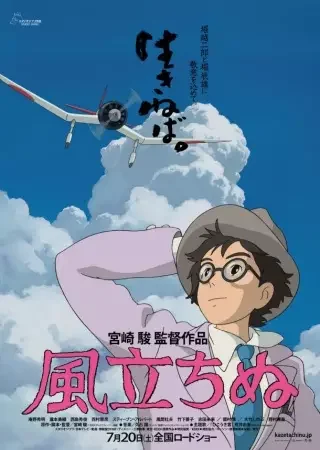
For the first time, Animation of the Year split into two separate prizes instead of one. The Wind Rises, billed at the time as Hayao Miyazaki's retirement film, took the film prize. Attack on Titan, a show about to become one of the biggest anime exports of the decade, took the television prize. Twelve editions of one combined winner, and now suddenly there were two.
The individual awards reflected the transition too. Best Screenplay and Best Original Story merged into a single combined category this year, awarded jointly to Hayao Miyazaki, Yasuko Kobayashi, and Reiko Yoshida. Tetsuro Araki, the director behind Attack on Titan's explosive first season, won Best Director. And a brand new Best Animator award went to Kitaro Kosaka, recognizing animation craft as its own category for the first time.
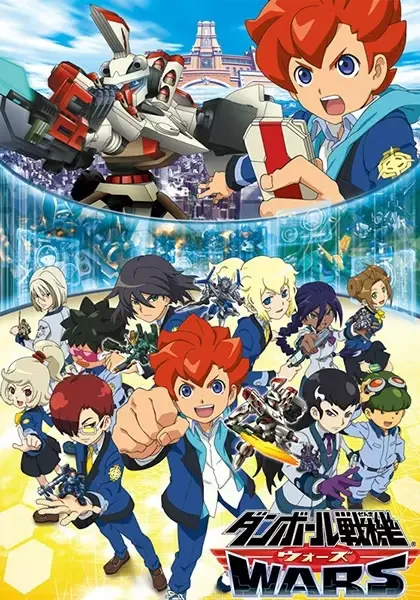
A new Anime Fan Award also debuted this year, voted differently from the rest of the slate and going to Danball Senki Wars, a much smaller title than the giants dominating everywhere else on the chart. Sometimes the fans just want to reward what they actually watched.
2014 is the only edition on this site with two Animation of the Year winners instead of one, split between film and television for the first time.
The festival's overall top prize (called ‘Grand Prix’ in its first year, 2002). Not awarded in 2003; split into separate Film Category and Television Category winners each year from 2014 onward.
Tokyo Anime Award Festival-era (2014–) fan-voted prize for the year's most popular anime.
Notable Entry nominee/winner slate for TV anime broadcast within the eligibility window (Dec 1 of the prior year to Nov 30).
Notable Entry nominee/winner slate for Japanese theatrical anime films released within the eligibility window.
Individual award for outstanding direction on an eligible anime.
Tokyo Anime Award Festival-era (2014–) combined successor to the separate Best Screenplay and Best Original Story awards.
Individual award for outstanding art direction/background art on an eligible anime.
Individual award for outstanding character design on an eligible anime.
Individual award for an outstanding voice performance, credited with the character and title played.
Individual award for outstanding music, score, or theme song work on an eligible anime.
Tokyo Anime Award Festival-era (2014–) individual award recognizing outstanding animation work.
Lifetime-achievement honor recognizing a director's career contribution to anime.
Lifetime-achievement honor recognizing a voice actor's career contribution to anime. Occasionally awarded jointly to multiple honorees in the same year.
Try a different title, or clear the filters.
See every award, review, and episode tracked for the series that won this ceremony's first-ever Television Animation of the Year.
View Attack on Titan