Animation of the Year
UncategorisedThe festival's overall top prize (called ‘Grand Prix’ in its first year, 2002). Not awarded in 2003; split into separate Film Category and Television Category winners each year from 2014 onward.
The 14th Tokyo Anime Award Festival struck out on its own as a standalone event for the first time, and it used its biggest individual prize to send off a director who had just wrapped the last film of his career.
Here's a fun fact that sounds made up but isn't: *The Tale of Princess Kaguya* took Isao Takahata roughly eight years to finish. Eight. While most productions were racing to hit a release calendar, Takahata was hand-refining a watercolor style so delicate it looks like the frames could smudge if you breathed on them too hard.
It turned out to be his last film. Takahata, the Studio Ghibli co-founder who gave the world *Grave of the Fireflies* and *Only Yesterday*, closed his career with a movie that earned him **Best Director** at this ceremony, an Academy Award nomination, and a permanent spot in animation history books. There's something poetic about that. The guy who never rushed anything got to go out exactly the way he wanted.
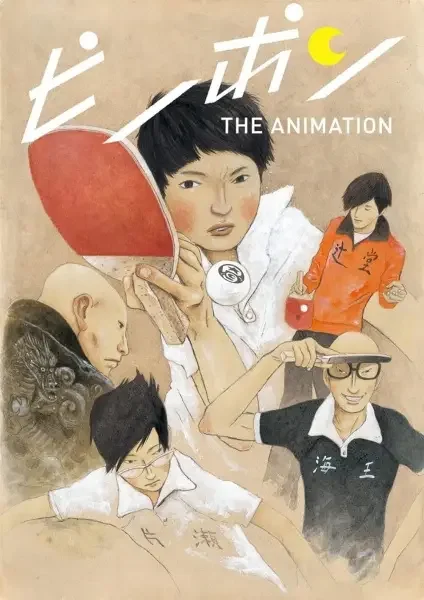
The top prize of the night, though, went somewhere unexpected. *Ping Pong the Animation*, Masaaki Yuasa's loose, sketchy, rotoscope-flavored adaptation of Taiyo Matsumoto's manga, took the **Animation of the Year** honor. It's not the kind of pick that screams a crowd pleaser. It's rough around the edges on purpose. But that's exactly why the industry loved it: proof that a jagged, uncompromising visual style could still be the best animated work of the year, box office polish be damned.

16 award slots were handed out at the 14th edition, the last year before Animation of the Year would permanently split into separate Film and Television prizes.
The festival's overall top prize (called ‘Grand Prix’ in its first year, 2002). Not awarded in 2003; split into separate Film Category and Television Category winners each year from 2014 onward.
Tokyo Anime Award Festival-era (2014–) fan-voted prize for the year's most popular anime.
Notable Entry nominee/winner slate for TV anime broadcast within the eligibility window (Dec 1 of the prior year to Nov 30).
Notable Entry nominee/winner slate for Japanese theatrical anime films released within the eligibility window.
Individual award for outstanding direction on an eligible anime.
Tokyo Anime Award Festival-era (2014–) combined successor to the separate Best Screenplay and Best Original Story awards.
Individual award for outstanding art direction/background art on an eligible anime.
Individual award for outstanding character design on an eligible anime.
Individual award for an outstanding voice performance, credited with the character and title played.
Individual award for outstanding music, score, or theme song work on an eligible anime.
Tokyo Anime Award Festival-era (2014–) individual award recognizing outstanding animation work.
Lifetime-achievement honor recognizing a director's career contribution to anime.
Lifetime-achievement honor recognizing a voice actor's career contribution to anime. Occasionally awarded jointly to multiple honorees in the same year.
Try a different title, or clear the filters.
Masaaki Yuasa's ping-pong drama proved you don't need a polished look to win Animation of the Year, you just need a style nobody else was brave enough to try.
Watch Ping Pong the Animation